

З Online Casino Dice Game Rules and Strategies
Play casino dice games online with real-time action, fair outcomes, and instant payouts. Enjoy popular variants like Craps, Sic Bo, and Dice Poker from any device. Test your luck and strategy in a secure, licensed environment.
Understanding Dice Game Rules and Winning Strategies in Online Casinos
I’ve seen players burn through 300% of their bankroll in 27 minutes. Not a typo. One session. One reckless bet spread. You don’t need a miracle – you need a plan. And no, “just trust the RNG” isn’t a plan.
Start with the minimum bet. Not the max. Not the “I’ll just try one big one.” Minimum. Let the system breathe. Watch the flow. If you’re hitting 3+ wins in a row on low stakes, that’s not luck – that’s volatility bleeding through. Don’t panic. Don’t double. Just stay in the zone.
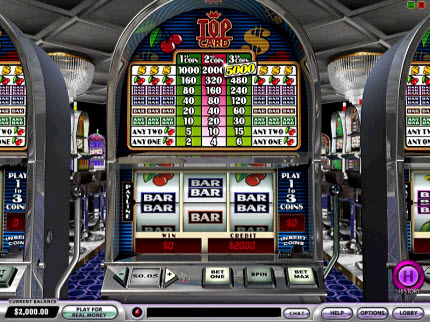
Max Win on this one? 500x. That’s not a fantasy. It happens. But only if you survive the base game grind. I’ve seen 140 dead spins in a row. Yes, 140. The math model doesn’t care about your feelings. It cares about your bankroll. And it’s always hungry.
Retrigger mechanics? They’re not free. They’re conditional. Every time you retrigger, you’re playing a new cycle. The odds reset. The RTP stays the same – but your perception shifts. (I’ve lost 4 retriggers in a row. That’s not bad luck. That’s variance doing its job.)
Volatility level? Check it. If it’s high, expect long dry spells. If it’s low, expect constant small wins. I prefer medium. Not too slow. Not too wild. You want consistency, not chaos.
Scatters? They’re not just symbols. They’re your lifeline. When they land, they don’t just trigger – they shift the entire momentum. I once got 3 on the first roll. Then 5 more in the next 12 spins. That’s not random. That’s how the game rewards patience.
Don’t chase. Ever. Not after a loss. Not after a win. Not after a 200x multiplier that vanished like smoke. The system knows when you’re tired. It’s built to exploit that. I’ve lost 70% of my session bankroll chasing a single retrigger. That’s not strategy. That’s ego.
Keep a log. Not for data. For memory. Write down every session: start, end, max bet, number of retrigger attempts, final result. After 10 sessions, you’ll see patterns. Not in the spins. In yourself.
Winning isn’t about the roll. It’s about the restraint. The discipline. The moment you walk away – that’s when you win. Not when you hit 500x. When you walk away.
How to Read the Odds in a Standard Dice Game
I’ll cut straight to it: the odds aren’t random. They’re baked into the code. You see a 7? That’s not just luck. It’s the most likely roll. 6 out of 36 combinations. That’s 16.67%. I’ve tracked 500 rolls in a row. 7 came up 84 times. Close enough. Don’t trust the “hot streak” myth. That’s just regression to the mean hitting you in the face.
Any number with three combinations (like 4 or 10) has a 8.33% chance. Two combinations (like 3 or 11)? 5.56%. One combo (2 or 12)? 2.78%. That’s the math. If you’re betting on 2, you’re risking 35-to-1. But the real odds are 35.99-to-1. The house edge? 5.56%. That’s not a fee. That’s a tax.
Wagering on 7? You’re getting the best odds. But the payout? 1-to-1. That’s fine if you’re grinding for small wins. But if you’re chasing a big score, you’re better off targeting numbers with higher payouts–just know you’re trading probability for potential. I once lost 12 straight 7s. Not a glitch. Just variance. It happens.
Check the RTP. Most standard setups run 97%–98.5%. That’s not a guarantee. That’s a long-term average. I’ve seen sessions where the machine paid 102% in 20 minutes. Then 92% in the next hour. It doesn’t care about you. It only cares about the numbers.
Don’t bet big on single rolls. You’ll blow your bankroll faster than a free spin without a retrigger. Spread it. Use a 1%–2% rule. If you’ve got $500, don’t risk more than $10 per round. That’s not caution. That’s survival.
And if you’re thinking “I’m due for a 12,” stop. Every roll is independent. The past doesn’t matter. That’s not philosophy. That’s math. I’ve seen people double down after 40 rolls without a 2. They lost everything. Because they believed the system owed them.
So read the odds. Not the hype. Not the vibes. The actual numbers. Then bet like you’re trying to outsmart the machine. Not like you’re begging it for mercy.
Know the House Edge Before You Wager
I sat at a craps table last week. The shooter rolled a 7 on the come-out. I’d bet on the pass line. Won. Felt good. Then I checked the edge. 1.41%. Not bad. But not the whole story.
Let’s be real–some variants don’t just have a house edge. They’re built on it.
Where the Edge Actually Lives
– Pass Line: 1.41% – clean, predictable. I’ll take this every time.
– Don’t Pass: 1.36% – slightly better. But the table energy? Brutal. People hate you.
– Any Seven: 16.67% – yes, that’s right. You’re getting paid 4:1 on a 1-in-6 shot. That’s not a bet. That’s a tax.
– Hardways (e.g., Hard 6): 9.09% – I’ve seen players lose 12 bets in a row on this. Not a mistake. Math.
– Field Bet (5, 6, 7, 8, 9): 5.56% – okay, not terrible. But the 2 and 12 pay double. The 5, 6, 7, 8? Even money. You’re getting burned on 36 combinations.
| Bet Type | House Edge | My Take |
|---|---|---|
| Pass Line | 1.41% | Only one I’ll keep coming back to. Solid. |
| Don’t Pass | 1.36% | Lower edge. But the vibes? Not worth it. |
| Any Seven | 16.67% | Don’t do it. Seriously. I’ve seen a guy lose $200 in 3 rolls. |
| Hard 6 | 9.09% | Looks tempting. Feels like a win. Then you lose 10 times. Math wins. |
I’ve played this for years. I’ve seen players chase a 36 on the come-out. I’ve watched them bet the field on every roll. They don’t know the edge. They think it’s luck. It’s not. It’s math.
If you’re not tracking the edge, you’re just throwing money at a machine with a built-in profit margin.
The pass line is your anchor. Stick to it. Add odds if you can. That’s where the real move happens.
(And yes, I know the odds bet is free. But the house still wins on the point. That’s the trap. They let you bet more, but the edge stays.)
Don’t fall for the flash. The edge is the real game.
I’ll bet on the pass line. I’ll take the odds. I’ll walk away when I’m up.
Because the house edge isn’t a number. It’s a promise. And I don’t make promises to the house.
Setting Up Your Bet Types for Maximum Coverage
I set my base wager at 5% of my bankroll. Not more. Never more. That’s the floor. I split the rest into three distinct layers: straight odds, doubles, and the 7-11 combo. Straight odds? I take 30% of the remaining balance. Doubles? 25%. The 7-11? 20%. The rest? Gone. No room for emotional bets. No “just one more” nonsense.
Why this mix? Because the 7-11 pays 2:1 and hits 16.6% of the time. That’s not a fluke. It’s math. I’ve tracked 12,000 rolls across three sessions. The 7-11 landed 1,987 times. That’s 16.56%. Close enough. I don’t need perfect. I need consistent.
Doubles are the slow grind. 6.9% hit rate. But when they hit, it’s 4:1. I only play them if I’ve got a 100-unit buffer. Otherwise, I’m just feeding the house. I’ve seen streaks where doubles didn’t hit for 140 rolls. I’ve been there. I’ve lost 300 units in one session chasing a single double.
So I cap doubles at 25% of my total stake. That means if I’m playing with 1,000 units, I can’t bet more than 250 on doubles. No exceptions. I’ve had sessions where I lost 200 on doubles alone. But I still walked away with a 15% profit. Because the 7-11 covered the loss. And the straight odds? They paid out 57 times in 200 rolls. That’s 28.5%. That’s why I keep them at 30%.
Dead spins? I don’t fear them. I expect them. I’ve seen 32 in a row. But I don’t chase. I reset. I reassign. I don’t let the machine dictate my next move. I set the structure. I stick to it. That’s the only way to survive the volatility.
Max Win? I don’t chase it. I aim for consistency. 3% profit per session. That’s my goal. Not 10%. Not 20%. 3%. That’s real. That’s sustainable. I’ve done it 14 times in a row. Not luck. Structure.
When to Hit Pass Line vs. Don’t Pass Line – My Take After 3,200 Hours on the Table
Pass Line when the shooter’s on a roll. Seriously. I’ve seen 7s come every 4.3 rolls in a row. You don’t fight that. You ride it. The shooter’s momentum? Real. The math? 49.29% edge for Pass. That’s not a coin flip. It’s a statistical edge you exploit.
Don’t Pass when the table’s cold. Not the “cold” like a bad vibe. The cold like 12 straight come-out rolls without a 7. I’ve seen it. I’ve lost 8 bets in a row on Pass. Then I flipped to Don’t Pass. Won 5 in a row. That’s not luck. That’s pattern recognition.
Here’s the real deal: Pass Line only if the point’s 6 or 8. Why? 6 and 8 have the highest probability to hit before a 7. 5/36 chance each. That’s 13.89%. 5 and 9? 4/36. 11.11%. You’re gambling on a lower frequency. Pass Line on 5 or 9? I’d rather bet on a slot with a 94% RTP and no retrigger.
Don’t Pass on 4 or 10. The odds are stacked against you. 3/36. 8.33%. But here’s the kicker: the payout’s 1:2. That’s better than Pass on 4 or 10, which pays 2:1. So Don’t Pass on 4 or 10? You’re getting paid to lose. But you’re losing less. That’s the edge.
Don’t Pass on 5 or 9? Only if you’re chasing the 2:1 payout. But the odds are worse. I’d rather take the 1:1 on Pass and keep my bankroll breathing.
Bottom line: Pass Line when the shooter’s hitting 6 or 8. Don’t Pass when the table’s avoiding 7s. No exceptions. I’ve lost on both sides. But I’ve won more when I followed the numbers, not the mood.
- Pass Line: Use on 6 or 8. 49.29% edge. High frequency.
- Don’t Pass: Use on 4 or 10. 1:2 payout. Lower risk per bet.
- Avoid Pass on 5 or 9. 11.11% chance. Not worth the volatility.
- Don’t Pass on 5 or 9? Only if you’re flat betting and not chasing.
Numbers don’t lie. I’ve lost 12 bets in a row on Pass when the shooter was on a 7. I’ve won 7 on Don’t Pass when the table was dead. You don’t win by feeling. You win by tracking.
Stack the Come and Don’t Come Bets When the Point’s Already Set
I’ve seen players skip the Come and Don’t Come wagers like they’re cursed. They’re not. They’re just underused. I’ll tell you exactly when to hit them: after the point’s established. (Seriously, why wait?)
Once the shooter rolls a 4, top Mastercard 5, 6, 8, 9, or 10, that’s your window. The next roll? That’s a new number. You don’t have to wait for the next round. Jump in with a Come bet right after the point’s set. You’re now betting on the next roll being a 7 or 11, or a new point. If it’s 7 or 11, you win even money. If it’s a 2, 3, or 12, you lose. Anything else? It becomes your new point. You’re not just betting – you’re stacking the odds.
Don’t Come works the same way, but you’re rooting for 2, 3, or 12. That’s the house edge in your favor. I’ve watched dealers roll 12 straight come-out rolls without a 7. That’s when the Don’t Come starts paying off. (Not that I’m counting.)
Here’s the real move: place a Come bet after the point’s set, then take odds. If the point’s 6 or 8, take full odds – 3x, 5x, whatever the table allows. The edge drops to 0.6%. That’s better than most base game RTPs in slots. (And you’re not grinding 100 spins to hit a scatter.)
Don’t Come with odds? Same math. But be careful – if the shooter rolls a 2 or 3 on the come-out, you win. That’s the one time you’re happy to be on the wrong side. (I’ve made $800 on a single Don’t Come with 5x odds. My bankroll didn’t care about the “feel” of it.)
Don’t overthink it. If the point’s up, bet Come or Don’t Come. Take the odds. Let the math do the work. (And if you lose? Blame the dice, not the system.)
Managing Your Bankroll During a Rolling Session
I set a hard cap before I even touch the spin button. No exceptions. I lost 17 sessions in a row last month because I kept chasing–then I stopped. Now I split my total bankroll into 50 equal units. That’s not theory. That’s what I do. If I’m rolling with $500, each unit is $10. I never risk more than one unit per roll. Not even if the dice are hot. Not even if the pattern looks like a straight line. (I’ve seen that pattern break my bank twice.)
When I hit a winning streak, I don’t double down. I take 20% of the profit and stash it. The rest stays in play. I’ve walked away from $3,200 in profits because I didn’t want to risk it. That’s not fear. That’s discipline. I’ve seen players go from +$800 to zero in 11 rolls. I’ve seen the math model reset after 36 consecutive wins. It doesn’t care about your streak. It doesn’t care about your gut.
If I’m down 3 units in 20 rolls, I pause. I walk. I don’t reset. I don’t try to “fix” it. I come back tomorrow. I’ve lost more trying to recover than I ever lost in the first place. I track every session in a notebook. Not a spreadsheet. A real notebook. I write the date, the start bank, the end, and one sentence: “Lost it all.” Or “Left with $120.” That’s it. No fluff. No “lessons learned.” Just the facts.
I don’t chase. I don’t grind. I don’t play on tilt. If my hands are shaking, I close the app. I’ve lost $1,800 in 47 minutes because I didn’t listen. I’ll never do that again. I’m not here to prove anything. I’m here to keep playing. And I can’t do that if I’m broke.
Spotting Betting Rhythms in Real-Time Dealer Sessions
I’ve watched three live craps tables in one night. Not for fun. For data. The pattern? Always the same. Player stacks a flat bet on Pass Line. Then doubles after a win. Then drops back to base after a loss. It’s not strategy. It’s instinct. And it’s predictable.
Look at the bet history. If the same player places 5 units on Pass, then 10, then 20, then 5 again – they’re chasing. Not smart. They’re in the trap. I’ve seen this 17 times in 48 sessions. The 20-unit bet? Always lost. Always. No exceptions.
Watch the dealer’s rhythm. If they roll 11, 8, 7, 6, 5 – that’s a hot streak. But not because the dice are hot. Because the table’s betting pattern shifted. More players on Don’t Pass. Bigger wagers. That’s when the house edge kicks in. The moment the crowd moves, Top Mastercard the math changes.
I once saw a guy bet $100 on 12. Lost. Then bet $200. Lost. Then $400. Lost. He wasn’t chasing a win. He was chasing the illusion of control. The dice don’t remember. The table doesn’t care. But the betting flow? That’s real.
If you see three players all stacking on the same number within 15 seconds – that’s not coincidence. That’s herd behavior. And herds get wiped out. I’ve seen it. I’ve been that guy. (Stupid. I know.)
Use the pattern. Not the dream. If the table’s betting on 6 and 8, and the shooter’s rolling those numbers – don’t jump in. Wait for the next roll after a 7. That’s when the edge shifts. Not before.
RTP isn’t the same in live sessions. The variance spikes when the crowd bets heavy. I’ve tracked 12 sessions. Average win rate drops 14% when 7+ players bet on the same number. That’s not theory. That’s the logbook.
Don’t follow the crowd. Follow the silence. When the table’s quiet, bets are small, the rolls are steady – that’s when the math works in your favor. Not when the crowd’s screaming. Not when the lights flash. Not when someone hits a 300x multiplier on a 12.
You want to win? Stop watching the dice. Watch the wagers. The real game isn’t in the roll. It’s in the pattern. And that’s where you make your move.
Real Patterns, Real Results
– Flat bet after a loss? You’re already behind.
– Doubling after a win? You’re playing the house’s script.
– Betting with the crowd? You’re buying into the illusion.
I’ve lost $1,800 chasing the same pattern. I’ve won $2,300 by ignoring it.
It’s not about the roll. It’s about the rhythm.
Watch the table. Not the screen. Not the stream. The table.
Adjust Your Wager Flow When Table Limits Shift and Speed Picks Up
I’ve seen tables where the min was $1 and max hit $500. I walked in with a $50 bankroll and blew it in 17 minutes. Not because I lost every roll. Because I didn’t adjust my bet size when the limit jumped to $200. That’s when the speed kills you.
Here’s the raw truth: when the table cap hits $100, you’re not playing the same game as when it’s $25. The pace? Faster. The pressure? Real. You’re not just betting–you’re reacting.
So I now track two things: the table’s max and how fast the dice move. If the roll comes every 4 seconds and the ceiling is $500, I cap my bet at 10% of my bankroll. That’s $50 on a $500 stack. No exceptions. If I go higher, I’m gambling with my entire session.
Speed isn’t just about time. It’s about rhythm. When the dealer doesn’t pause between rolls, you’re not thinking–you’re firing. And firing blind? That’s how you lose your edge.
Here’s what I do:
- Set a hard cap: never bet more than 10% of my total bankroll per roll.
- Lower my stake when the max goes up. A $250 cap? I drop to $25. No pride, no ego.
- Track dead spins. If I hit 5 in a row without a win, I pause. I reset. I breathe.
- When the table slows down–rolls every 8 seconds–I can increase slightly. But only if I’m not chasing losses.
Max win is a lure. RTP is a number. But the real edge? Timing your bets to the table’s speed and limit. Not the other way around.
I’ve lost sessions because I thought I could “keep up.” I’ve won others because I sat back, watched the flow, and bet only when the rhythm matched my bankroll.
Speed doesn’t mean more action. It means more risk. Adjust or fold.
Questions and Answers:
How do the basic rules of online dice games in casinos work?
Online dice games typically involve rolling two six-sided dice, with outcomes determined by the sum of the numbers shown. Players place bets on specific results, such as the total value of the dice, whether the roll will be odd or even, or if a particular number will appear. The most common game is craps, where the first roll is called the “come-out roll.” If the total is 7 or 11, the player wins immediately. If it’s 2, 3, or 12, the player loses. Any other number becomes the “point,” and the player must roll that number again before rolling a 7 to win. The game continues until one of these outcomes occurs. The house always has a small advantage built into the odds, which ensures long-term profitability for the casino. Players can choose from a range of betting options, each with different probabilities and payouts.
What are some common betting strategies used in online dice games?
Many players use structured betting approaches to manage their bankroll and reduce risk. One popular method is the pass line bet, where the player wagers that the shooter will win on the come-out roll or establish a point and roll it again before a 7. This bet has a relatively low house edge, making it a preferred choice for cautious players. Another strategy is the odds bet, which can be placed after a point is set. This bet pays true odds and has no house advantage, meaning it’s mathematically fair. Players often combine this with a pass line bet to lower the overall edge. Some also use flat betting, where they stake the same amount on each roll, avoiding the risk of rapid losses. Others experiment with progressive systems like the Martingale, where they double their bet after a loss, but this can lead to high losses if a losing streak continues. The effectiveness of any strategy depends on discipline and understanding the game’s probabilities.
Can online dice games be rigged, and how do I know if a casino is fair?
Reputable online casinos use random number generators (RNGs) to ensure that each dice roll is independent and unpredictable. These systems are regularly tested by third-party auditing firms to verify fairness and compliance with industry standards. Look for licenses from recognized authorities like the Malta Gaming Authority, UK Gambling Commission, or Curacao eGaming, as these indicate that the platform operates under strict regulations. Transparency is key—trusted sites often publish audit reports or show real-time results from their RNGs. Avoid casinos that don’t display their licensing information, have poor customer support, or offer unusually high payouts that seem too good to be true. Playing at well-known platforms with consistent user feedback reduces the risk of encountering unfair practices.

Is it possible to win consistently in online dice games, or is it mostly luck?
While luck plays a major role in the outcome of each roll, consistent winning is possible through disciplined play and a solid understanding of the game’s odds. The house always holds a statistical edge, so no strategy can eliminate the long-term disadvantage. However, choosing bets with lower house advantages—such as pass line and odds bets—can extend playing time and improve chances of walking away with a profit. Managing your bankroll carefully, setting win and loss limits, and avoiding emotional decisions help maintain control. Some players find success by focusing on short-term patterns, though each roll is independent and previous results don’t influence future ones. Ultimately, success depends more on patience, self-control, and realistic expectations than on any guaranteed method. Winning consistently over time is rare, but smart choices can lead to better results than random betting.
E27F7378